
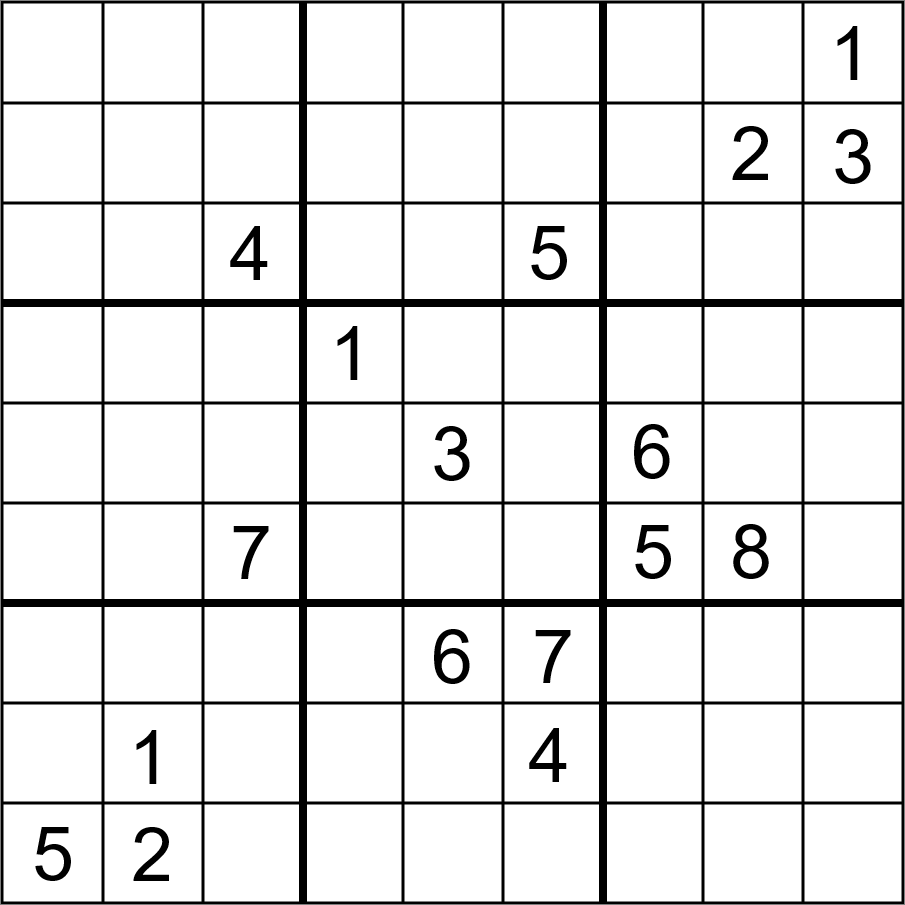
Classic Sudoku is strong enough to stand alone, but the wider family of Sudoku variants shows why the format keeps attracting long-time players. Once the basic row, column, and box rules feel familiar, small rule changes can make the next puzzle feel fresh again on a site like LA Times Sudoku.
What Sudoku variants usually change
Some variants add diagonals. Some distort the box shapes. Others add extra arithmetic or region rules. The clever part is that the underlying reading habit still survives. You are still scanning limits and looking for forced moves.
Why variants help ordinary players too
Even if you mostly solve classic boards, variants can sharpen your attention. They force you to stop relying on routine and actually check the whole rule set again.
Nikoli's role in shaping the modern puzzle is part of that story too, and its background page is still one of the cleanest starting points.
The familiar part that stays
A good variant bends the logic without making the puzzle feel unrelated. You still get the same tension between a neat board and one careless move.
A useful way to keep solving
If regular Sudoku has started to feel automatic, a variant is often enough to wake your attention back up without asking you to learn an entirely different game.
- Play on LA Times Sudoku
- Find more sudoku posts on LA Times Sudoku
- Read Nikoli’s Sudoku background page
- Visit the World Puzzle Federation
That is the quiet strength of Sudoku variants. They keep the grid recognizable while giving experienced players a reason to slow down and think again.