
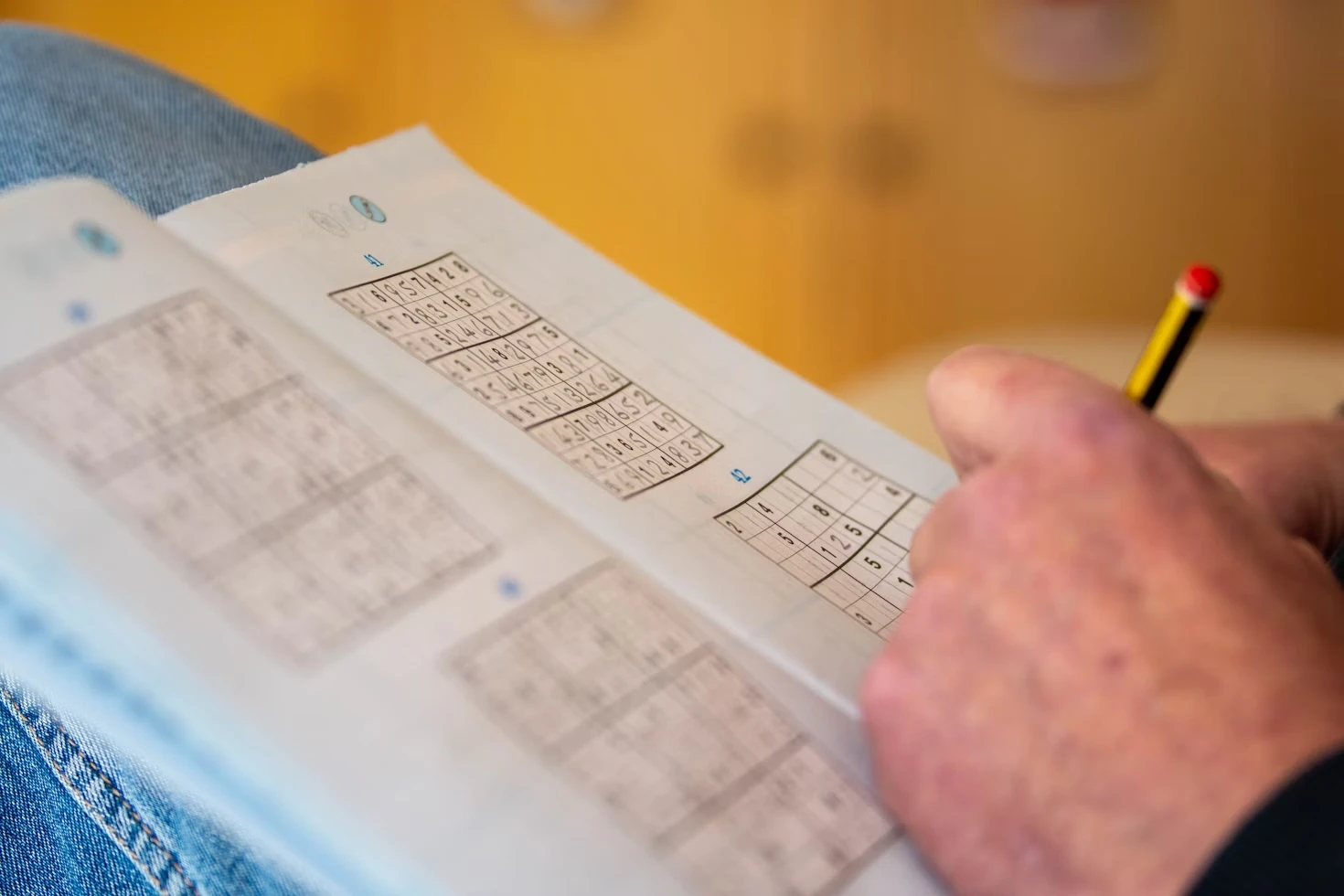
La times sudoku is a riddle of logic, strategy and patience. But every time you do, you’ll find yourself facing a decision: two numbers can match a single square. This dilemma can prevent progress and make even the most experienced players stop. It’s one of the hard moments when rational thinking becomes necessary.
The choice between the two numbers is not to guess or hope for the best but to apply the proven strategies to narrow the possibilities. With the right techniques, you can systematically remove the choices and make the best choices. In this article, we’re going to look at some reasonable methods to help you navigate these situations with confidence, to make uncertainty clear.

One, Understanding Badness
In Sudoku la times, it is common for two figures to seem the same for merging into a cell.
Why the Snake Rises
Sudoku’s structure is built on interlocking rules: no number can repeat in rows, columns or substrates. When two numbers can give a cell, it is usually because the puzzle is at a tip point, where a few missing values can solve multiple areas at once.
The Risk of Guessing
When faced with such uncertainty, speculation may be appealing. It’s about logic. Guessing can lead to mistakes that ski, forcing you to fix significant subsequent advances. Instead, the key is to step back, analyze the network and approach the problem methodically.
Reasonal technologies to solve the uncertainty problem
The good news is the right technique can turn the dilemma into a controlled challenge. By understanding how the candidate works, using the elimination strategy, and considering the wider impact of each option, you can confidently identify the right number for the cell.
2. Analysis of figures
When you face an awkward situation in Sudoku, the first step is to determine the number of candidates for cells in question. The candidate numbers are the possible legal values based on the rules of the puzzle.
What are the candidate numbers?
The candidates are numbers that do not violate the basic rules of Sudoku: do not repeat in the same row, column, or sub. To specify these abilities, scan rows, columns, and subs to see which numbers are present.
Optional narrowing
Once you’ve identified the number of candidates, it’s time to start eliminating the possibility. Start by checking the remaining numbers interact with nearby cells. Let’s look at how other numbers are placed in the network around this one can often eliminate some choices, leaving fewer candidates to look at.
Stay on System
A systematic approach is important when a candidate analysis is made. Avoid instinctual conclusions. Instead, be careful to list all the possibilities and carry them out one by one.
3 Apply banning Process
When facing two potential candidates for one cell, the method helps you to get closer to a definitive choice of logic and clarity.
Scaning rows, columns and subs
To start, focus on the row, column and depending on where the box is located. Check carefully any leads can rule out one of the candidates. For example, if one of the numbers was present in the same platelet or row, it could not legally take the cell in question.
Remove every possibility
At times, an unknown number is visible in the surrounding cells but is implied by the structure of the puzzle. Find indirect restrictions, such as how other cells in line or column can tie a number into or out of a specific location.
Use Machine Effect
In Sudoku, each position affects the rest of the grid. When considering a candidate, think about how your position will affect the figures around you. If one option creates conflict elsewhere, it could be the wrong choice.
Working With Methods
It works best when you keep the method. Avoid rushing to conclusions based on fast-scaning. Instead, work one step at a time, testing its value for all rows, columns and subs.
4 Use the penis mark
This technique not only helps you to follow choices but also highlights patterns and relationships that may not be very clear.
Why the pencils?
When many numbers can occur to one cell, trying to keep all the choices in your head can quickly become too much.
Effective Use of pencil marks
To take advantage of this method, follow the following steps:
- List all candidates in an empty box: After row analysis, columns, and subs, write down possible figures that may occur directly in the cell.
- Update when you go: Each time you put the number, review the pencils in the surrounding cells. Skip candidates to reflect new possibilities.
Penmarks
The pencil mark makes it easy to identify the style of pairs, three parts, or other relationships between cells. For example, if two cells in the same row have the same two candidates, you know that those numbers have to take the cells in order.
Five.
Every number you put in a puzzle game in Sudoku spreads through the network, affecting rows, columns, and branches.
The Effect of Placement
Sudoku’s rules ensure that each number position affects many areas of the puzzle. Examples:
- Some line up to remove that option from each other in the same row.
- The same thing happens in the column and depends on where the number is placed.
This decaying effect may reveal conflicts or opportunities that are not immediately shown.
The ability to exist
While thinking ahead is also important, it needs to be flexible. At times, the overall impact of the position is unclear immediately. In such cases, consider carefully how the figure interacts.
Examples: The chain reaction
Imagine one cell with three and seven being two candidates. Place number 3 in this cell can immediately force another cell to accept a number 7, which then solves the entire dependency. When you consider these chain reactions, you often see the logical choice taking place one step at a time.
6 Check out a pair of threes or hidden pairs
Realizing the pair is a key method of solving more difficult puzzles.
What’s the secret couple and the triple couple?
- Hidden DoublesTwo figures appear as candidates in exactly two cells in the same row, column, or substrate, but no other figure can take those cells.
- Hide 3: Similar to the pair, but there are three figures that are accurately divided three cells in the same row, column or sub.
How the Hidden Patterns Help to Decide Learning
When you identify a pair of hidden or triplets, you can remove other candidates in affected cells.
If the two cells in a row have four and six exclusive candidates, you know that those numbers have to occupy those cells, even if you don’t know their exact order. This allows you to remove 4 and 6 options from other cells in the row.
Steps to mark pairs or three
- Check each row, column and dependency carefully: Look for cells that share a limited candidate set.
- Use lead tracks to monitor possibilities: This is especially helpful in visualizing cell relationships.
- Remove the candidates outside the template: Once a pair or three numbers are recognized, remove other numbers from those cells to concentrate your efforts.
7 Fake Challenges
When logic technology doesn’t immediately solve the choice between two numbers, testing a hypothesis can be an effective strategy. Overdoping this method can cause the puzzle to feel chaotic. Just checking a theory when other techniques can’t break the deadlock.
What does it mean to test a hypocrite?
Testing a hypothesis in Sudoku means making an educational prediction based on the current state of the grid. Instead of random guesses, you pick one of the potential candidates and work by definition through the puzzle as if that number is correct.
Steps to Test Hypocrisy
- Select a candidate: Select one of two possible numbers for the cell.
- Work Ahead: Continue to fill in the net based on that selection, according to all of Sudoku’s logical rules.
- Seeking Contradict: As you proceed, check conflicts such as repeated figures in rows, columns, or subs.
- Turn around if necessary: If a conflict occurs, delete the changes and try the other candidate.
Counsel to Make Good Decisions
Although the techniques that are well equipped to solve the puzzle, success also depends on your approach and thinking.
Be Patient and Focus
Edmonton rewards thought and attention to detail. When faced with a difficult choice, resist the tendency to be hasty. Patience ensures that you do not miss subtle clues that can simplify your choices.
Avoid Speculation
Guessing can be like a shortcut, but often leads to mistakes and disappointments. If you feel trapped, look at the network and check the pencil or candidate tracks – you might notice something you missed before.
Use System Method
Logical decision developed on structure. The routine of solving puzzles such as:
- Scan the rows, columns and subs to locate clearly.
- narrowing down the number of candidates in vague cells.
- Applying advanced techniques, like hidden pairs or three, when the simple method is not enough.
Regular Practice
The more you practice, the more your logic skills are sharp. Over time, techniques such as elimination and pattern identification will feel intuitive, making decisions faster and more accurate.
The rational decision is the center of the Katsumoto master. By applying techniques such as elimination, pattern recognition, and hypothesis testing, you can confidently navigate even the most difficult puzzles. With practice and patience, the choice between the two numbers became less difficult and more rewarding, turning Suman into a satisfying and attractive spiritual challenge.