
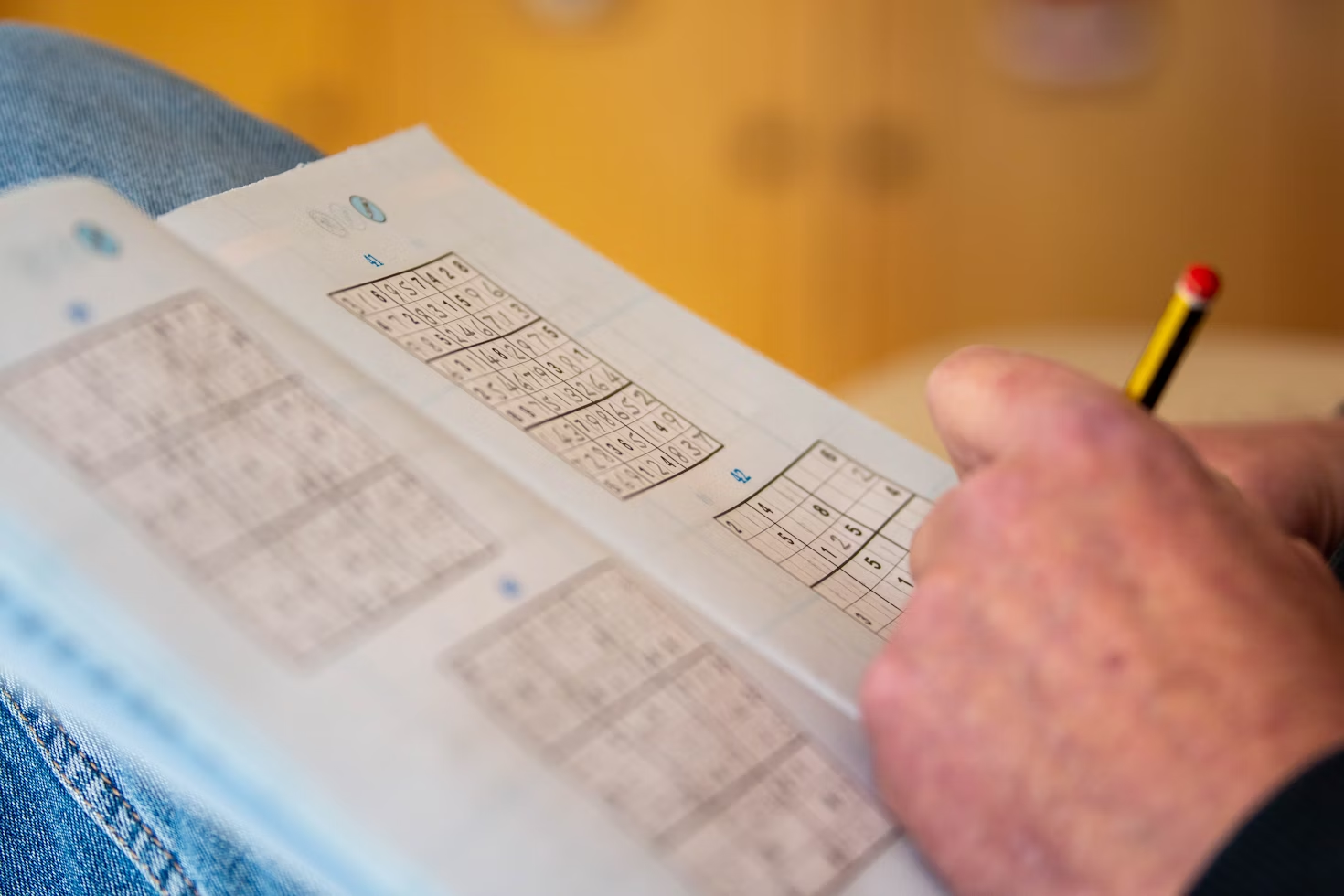
Rule 159 is an attractive variant of La times sudoku designed to test advanced problem solving skills. It supplements a complex layer for classic puzzles, requiring players to track the location of specific figures on rows and columns. Unlike La times sudoku‘s rules, the 159 law offers additional restrictions based on the position of number 1, 5, and 9.
In this variant, the figures at the first, fifth and ninth columns decide where the numbers are placed 1, 5, and 9 in each row. For example, a 3 in the first column of a row means the number 1 is in the third column of that line.

How was the Law applied?
The puzzle revolves around the translation of the first bright, fifth and ninth gray columns. These columns are clues to the set of numbers 1, 5, and 9. For example, if the fifth column of a row contains a 6, number 5 must appear in the sixth column of that line. Similarly, the ninth column provides the position of number 9. This creates a unique relationship among the figures, as the network’s partial solution often reveals many pieces of the puzzle. Understanding this is the key to effectively solving puzzles.
Performing Engineering
To reach 159 Sudoku, starting by focusing on the numbers given in the grey columns. For example, specify where some specifics in the first column place number 1 in its row. From there, let’s work to fill in the surrounding cells, using the standard strategy of Sudoku’s like scanning for missing numbers and identifying candidates.
Recognize Key Examples
Success to Principle 159 in Sudoku requires that the patterns emerge when the net is installed. For example, if the first column assigns position to one of many rows, these positions often create restrictions that spread across the column and adjacent. Understanding the opposite is another vital skill. Find repetitive structures or mirrored positions to simplify the process.
Common Errors to Avoid
Many solve problems by forgetting the relationship between the grey columns and the rest of the grid. The important thing is to constantly re-check the position stipulated by 159 rules with the standards of Sudoku. Another frequent error is to rush to fill cells without fully considering how setting the place affects the larger puzzle. Avoid focusing only on part of the grid. Instead, make changes between areas to discover that mutual dependence can open up stubborn parts.
Associated With Other Methods
Combining Law 159 with other techniques can lead to faster solutions. Methods such as naked, single pairs are hidden, and box line cuts are great tools to supplement the unique mechanics of this variant. Use these techniques to solve more effective complex puzzles.
Examples of Practice
Let’s start with puzzles that offer generosity, because these questions often emphasize how rule 159 works. Gradually switching to the more challenging network, where less clues are forced to rely on reasoning and the template identification.
Effective Counsel
- Focus on the grey columns first to locate the original position for 1, 5, and 9.
- Use the candidate freely but update them when they have new information.
- Competitive positions are regulated by the Standards of Sudoku to avoid contradictions.
Rule 159 transforms Sudoku into a more complex challenge, but with reality, the resolvers can master this fascinating difference and open up a new level of incomprehensible satisfaction.